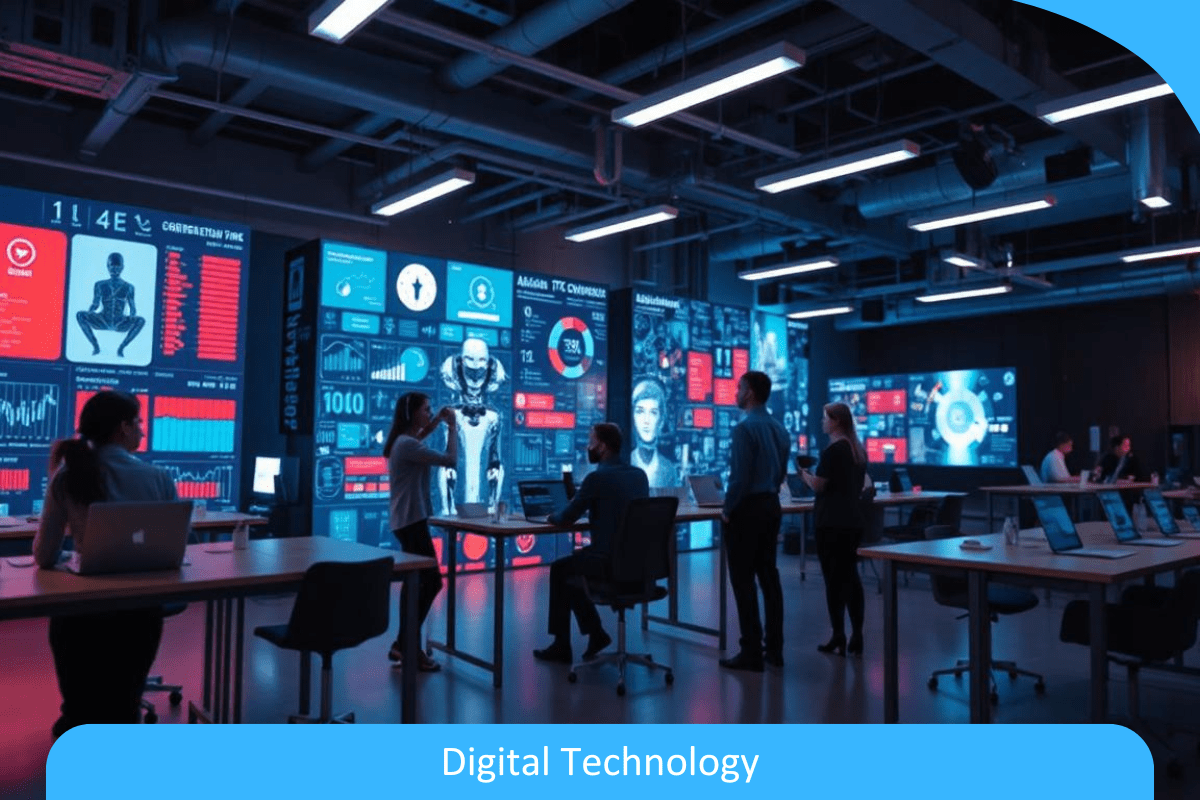
The conversation around technology is no longer something distant or reserved for experts. It’s happening right now, influencing how you study, communicate, and even make everyday decisions. From subtle algorithm shifts to massive infrastructure changes, digital evolution is quietly reshaping the world in ways that feel both exciting and unpredictable.
In fact, digital technology trends are becoming the central force behind how modern life operates. These shifts are not just about innovation, they redefine efficiency, creativity, and opportunity across industries. When you start to notice how these patterns connect, you begin to understand where the future is heading and, more importantly, how you can stay ahead of it.
Key Digital Innovations Shaping the Future
Technology doesn’t move randomly, it evolves through powerful innovations that shape everything around you. If you look closely, you’ll see how these developments are interconnected, forming a digital ecosystem that keeps expanding.
Right now, emerging digital innovations are pushing boundaries in ways that feel almost invisible yet incredibly impactful. From smarter automation to more responsive systems, these advancements are setting the stage for what comes next.
Artificial Intelligence Advancements
Artificial intelligence is no longer a concept of the future, it’s already embedded in daily life. Whether it’s recommendation systems, chatbots, or predictive tools, AI is working behind the scenes to simplify complex processes.
The rise of machine learning applications, AI-powered automation tools, and natural language processing tools has transformed how systems understand human behavior. According to Andrew Ng, a leading AI expert, “AI is the new electricity,” emphasizing how deeply it integrates into every sector, from healthcare to finance.
Growth of Cloud-Based Services
Cloud computing has evolved far beyond simple storage. Today, it enables businesses and individuals to access powerful tools without needing physical infrastructure.
With the growth of cloud computing trends, hybrid cloud systems, and serverless architecture, organizations can scale operations effortlessly. This shift also supports secure cloud storage solutions for businesses, making collaboration faster, safer, and more flexible.
Expansion of Internet of Things
The Internet of Things is turning ordinary objects into intelligent systems. Devices are no longer isolated, they communicate, learn, and adapt.
From IoT devices in smart homes to industrial sensors, combined with edge computing benefits, this network allows real-time data processing. The result is a more responsive environment where decisions happen instantly, often without human intervention.
Digital Trends Impacting Businesses
If you think technology only affects developers or large corporations, think again. These trends are transforming how every business operates, from small startups to global enterprises.
The shift is driven by the need for efficiency, accuracy, and adaptability. Businesses that understand these changes gain a significant advantage, while others struggle to keep up.
Automation and Digital Workflows
Automation is redefining productivity. Tasks that once required hours can now be completed in minutes using robotic process automation (RPA).
This doesn’t just save time, it reduces errors and allows teams to focus on strategic work. Many are now searching for the best automation tools for small businesses to streamline operations and improve output quality.
Data-Driven Decision Making
Data has become one of the most valuable assets in the digital era. Companies rely on big data analytics tools and business intelligence platforms to guide their strategies.
With real-time data processing systems, decisions are no longer based on guesswork. Instead, they are backed by accurate insights that reflect current conditions, allowing businesses to respond quickly and effectively.
Digital Marketing Evolution
Marketing is no longer about broad messaging, it’s about precision. The rise of AI-powered marketing tools, voice search optimization, and personalized content strategies has changed how brands connect with audiences.
As highlighted by Neil Patel, a well-known digital marketing expert, “Content is no longer king, relevant content is king,” reinforcing the importance of aligning strategies with user intent and behavior.
Preparing for Upcoming Digital Changes
Understanding trends is one thing, but preparing for them is where the real challenge lies. The digital landscape is constantly shifting, and staying relevant requires continuous adaptation.
The question is not whether change will happen, but how ready you are to respond when it does.
Learning New Digital Skills
Digital skills are becoming essential across all fields. Whether it’s coding for beginners, data analysis techniques, or understanding AI fundamentals, learning new competencies opens more opportunities.
Access to online courses for digital skills development has made it easier than ever to keep up. The key is consistency, small, continuous improvements lead to significant long-term growth.
Adapting to Rapid Innovation
Innovation moves fast, and resisting it often leads to falling behind. Adapting means being open to change and willing to experiment with new tools and systems.
By following technology innovation trends and applying agile methodologies, individuals and businesses can stay flexible and responsive in a fast-changing environment.
Staying Competitive in the Digital Era
Competition is becoming more intense as technology levels the playing field. To stay ahead, it’s important to embrace digital transformation strategies.
This includes focusing on cybersecurity trends, exploring blockchain technology use cases, and understanding the future of remote work technology. Those who adapt quickly are the ones who maintain their competitive edge.
Stay Ahead With The Latest Digital Technology Trends
Keeping up with digital technology trends is not just about staying informed, it’s about making smarter decisions in a world that never stops evolving. When you begin to connect the dots between innovation, strategy, and execution, everything starts to make sense.
The reality is simple: technology will continue to move forward, with or without you. The real question is whether you choose to observe it from a distance or actively engage with it. Because once you start understanding these shifts, you realize that opportunities are everywhere, waiting to be explored.